FUNDACIÓN TAMBIÉN WAS IN ROME AS PART OF THE ERASMUS PLUS PROGRAM TO CONDUCT INTENSIVE TRAINING ON THE BAPNE METHOD
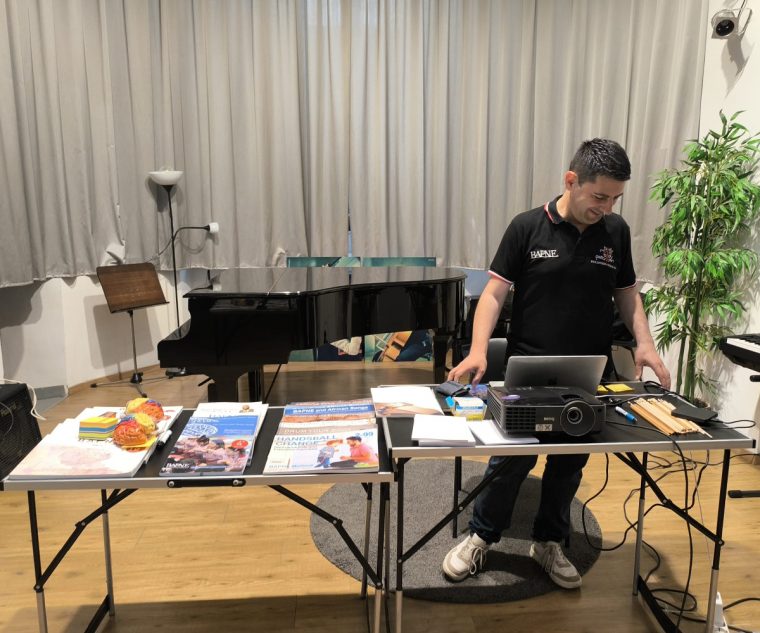
Álvaro and Nuria, technicians from Fundación También, along with Fran, a volunteer, were in Rome with colleagues from Italy, Turkey, and Portugal. There, they had the opportunity to explore the innovative BAPNE Method in depth—a dynamic and fun way to stimulate our brains and abilities by using our body’s rhythm and movement as a bridge toward more comprehensive development.
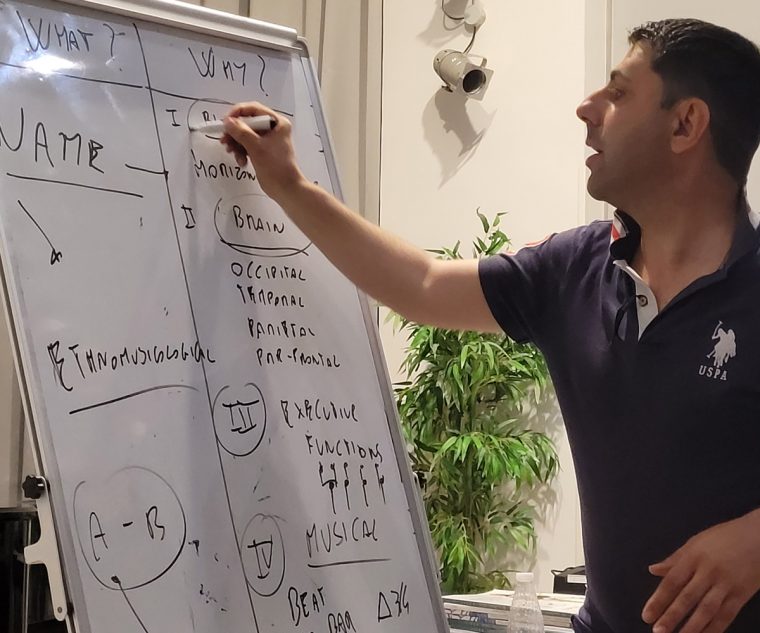
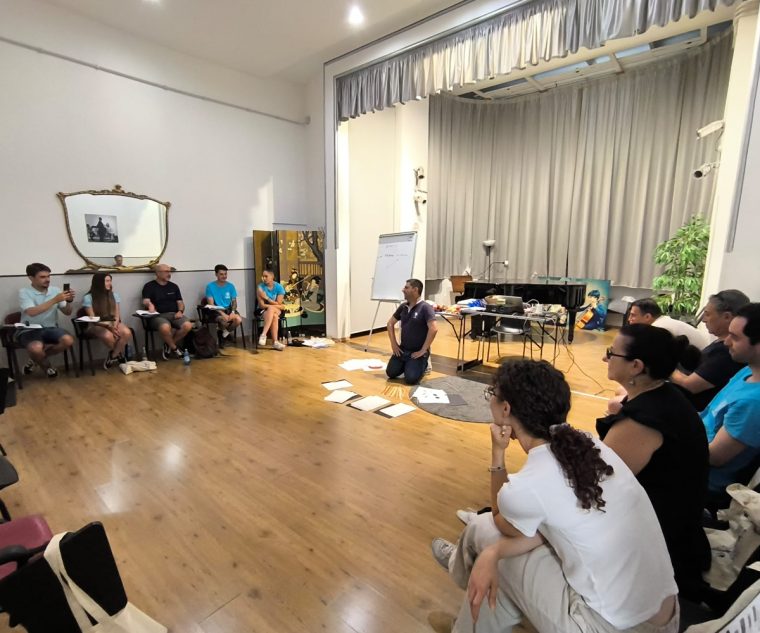
This activity is one of the four that make up the «Small-scale Partnership» program (within the «Barrier Life» project) of Erasmus+. These are carried out by Fundación También as part of our International Collaborations, which allow us to work alongside other European entities to exchange knowledge and experiences that greatly enrich our work. Everything experienced and learned is then transferred to the people with disabilities we work with, aiming to promote their well-being and social inclusion.
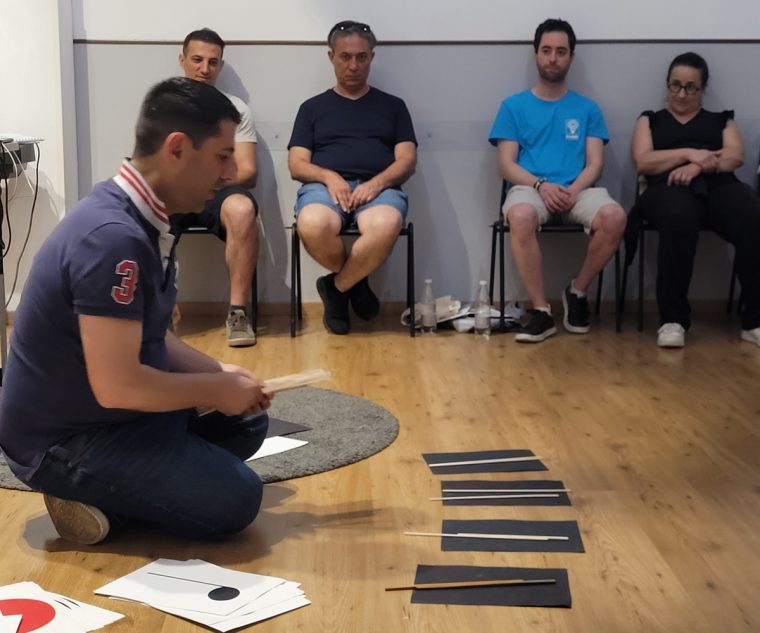
It consisted of two days of intensive training on didactic tools based on body percussion, primarily designed for cognitive, emotional, and social stimulation. The training was a perfect blend of theory and practice, highlighting the fundamental importance of rhythm, movement, and coordination for the holistic development of any person, regardless of whether they have a disability or not.
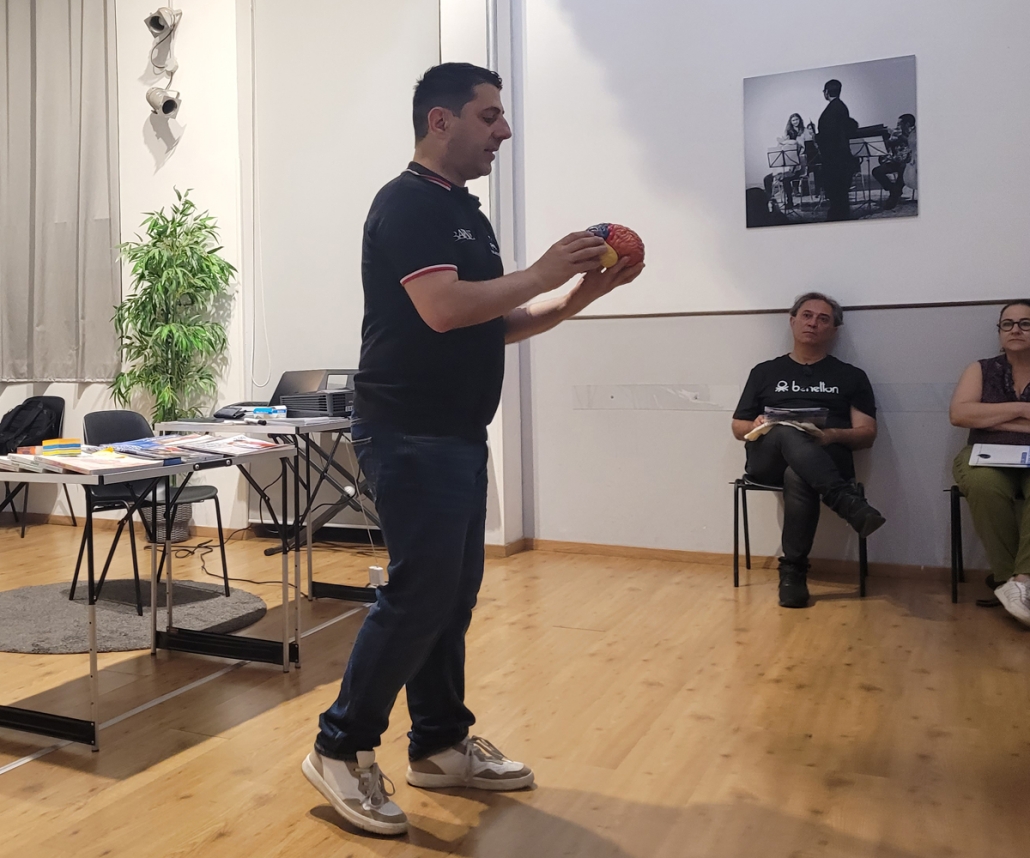
Day 1: Scientific Foundations and Brain Connection. On the first day, we dove into how the BAPNE method is built on a solid scientific foundation—science that connects us through rhythm. We learned to feel how body percussion awakens both sides of our brain with exercises that challenged our coordination in incredible ways. We put this to the test by performing rhythms while speaking phrases in different languages.
Day 2: Challenge, Group Coordination, and Creativity. We were taught new, more demanding body percussion sequences involving movement, rhythm changes, and vocal games. Rhythm became a more sophisticated tool, with exercises that forced you to stop, switch patterns, or take unexpected pauses. Group coordination remained key, and the best part was that, at the end, we got to be the teachers and create our own dynamics!
One of the most moving moments was when a young man with ASD (Autism Spectrum Disorder) showed us how playing the drums and singing at the same time was completely beneficial for him.